Providing Sustainable Plant Material for Restoration & Gardens
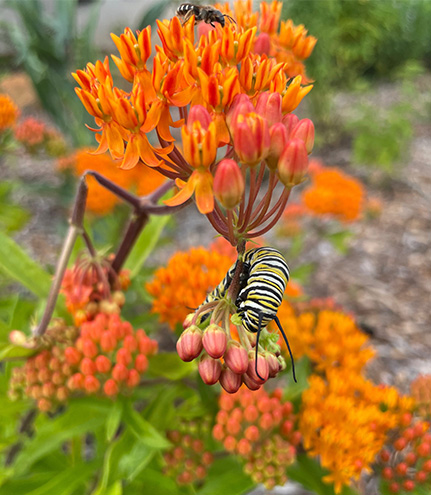
We offer local ecotype native plants for public and private restoration projects across Central Appalachia.

Appalachian native plants evolved over eons alongside the region’s wildlife, forming specialized relationships that no other plants can replace.

Your resource for information on sourcing, growing and utilizing native plants for ecological restoration.
Partner with us to bring resilient, native landscapes to life. Contact us at plants@appheadwaters.org or call/text (681) 418-2120.
Check New Blog Articles
Appalachian Headwaters, a nonprofit organization, is dedicated to environmental education and ecological restoration in Central Appalachia. Headwaters Native Plants is a Program of Appalachian Headwaters to increase the availability of
Pesticides Kill More Than Pests Spraying your native plants with popular pesticides may control aphids, but it also harms bees, butterflies, and other beneficial insects. Never spray flowering plants, as
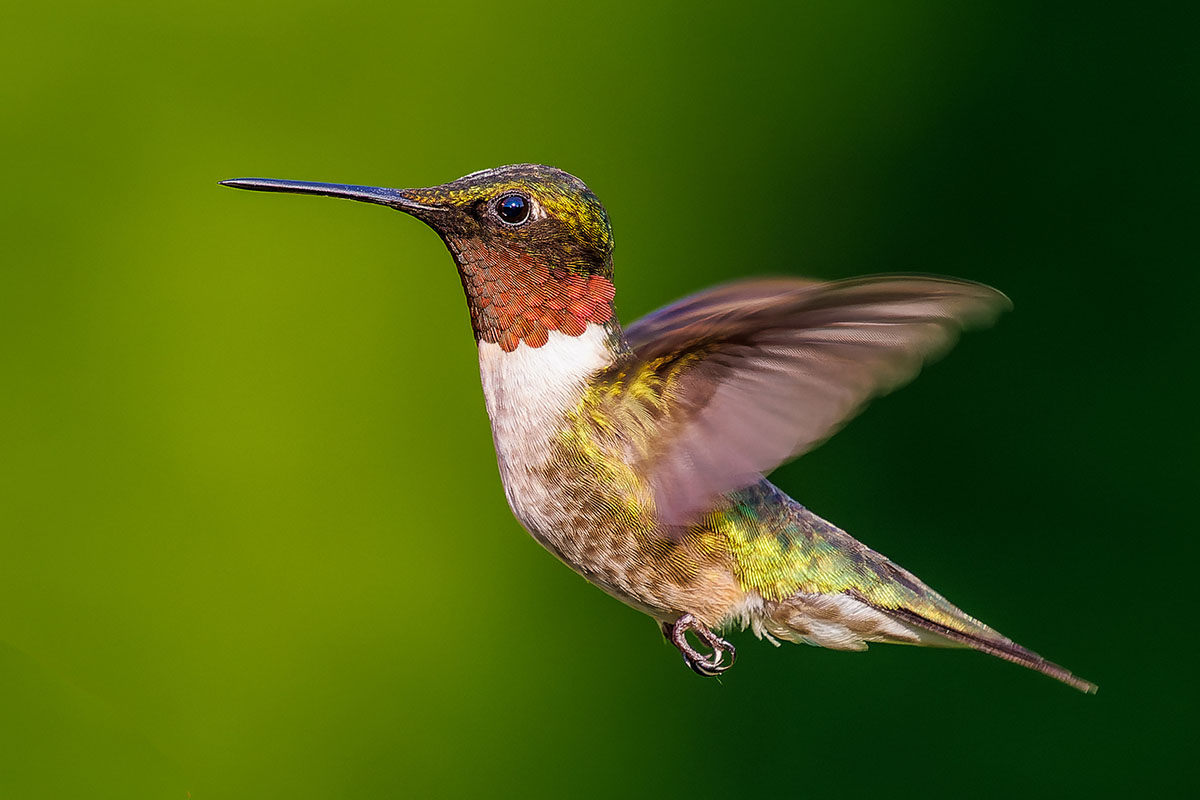
Hummingbird feeders may seem like a way to help these cha rismatic little birds, but they can actually cause harm. Many store‐bought feeder mixes contain artificial dyes that have unknown.
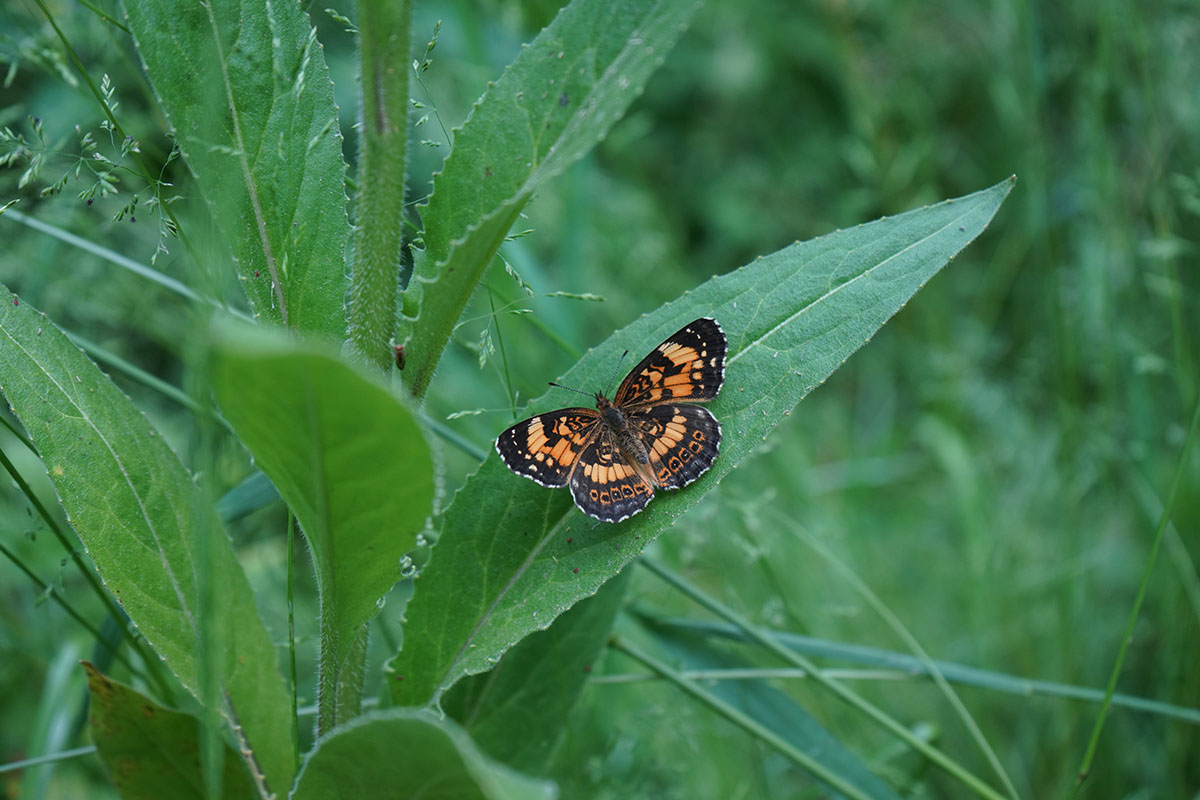
Butterflies are not only beautiful pollinators but also sensitive indicators of ecosystem health. In West Virginia, habitat loss, invasive plants, and climate change threaten many species, particularly specialist butterflies that
Solitary native bees make up the vast majority of bee species in North America with over 4,000 species and are essential pollinators for both wild ecosystems and agricultural crops. Unlike
Monarch butterflies (Danaus plexippus) are one of the most recognizable and beloved species in North America—but their populations have declined drastically in the last 20 years due to habitat loss,
Appalachian Headwaters, a nonprofit organization, is dedicated to environmental education and ecological restoration in Central Appalachia. Headwaters Native Plants is a Program of Appalachian Headwaters to increase the availability of
Pesticides Kill More Than Pests Spraying your native plants with popular pesticides may control aphids, but it also harms bees, butterflies, and other beneficial insects. Never spray flowering plants, as
Hummingbird feeders may seem like a way to help these cha rismatic little birds, but they can actually cause harm. Many store‐bought feeder mixes contain artificial dyes that have unknown.
Butterflies are not only beautiful pollinators but also sensitive indicators of ecosystem health. In West Virginia, habitat loss, invasive plants, and climate change threaten many species, particularly specialist butterflies that
Solitary native bees make up the vast majority of bee species in North America with over 4,000 species and are essential pollinators for both wild ecosystems and agricultural crops. Unlike
Monarch butterflies (Danaus plexippus) are one of the most recognizable and beloved species in North America—but their populations have declined drastically in the last 20 years due to habitat loss,
Headwaters Native Plants is a division of Appalachian Headwaters, a 501(c)(3) nonprofit organization. Your support makes our work possible!